
Why People Matter as Much as Process in a Merger
July 31, 2026


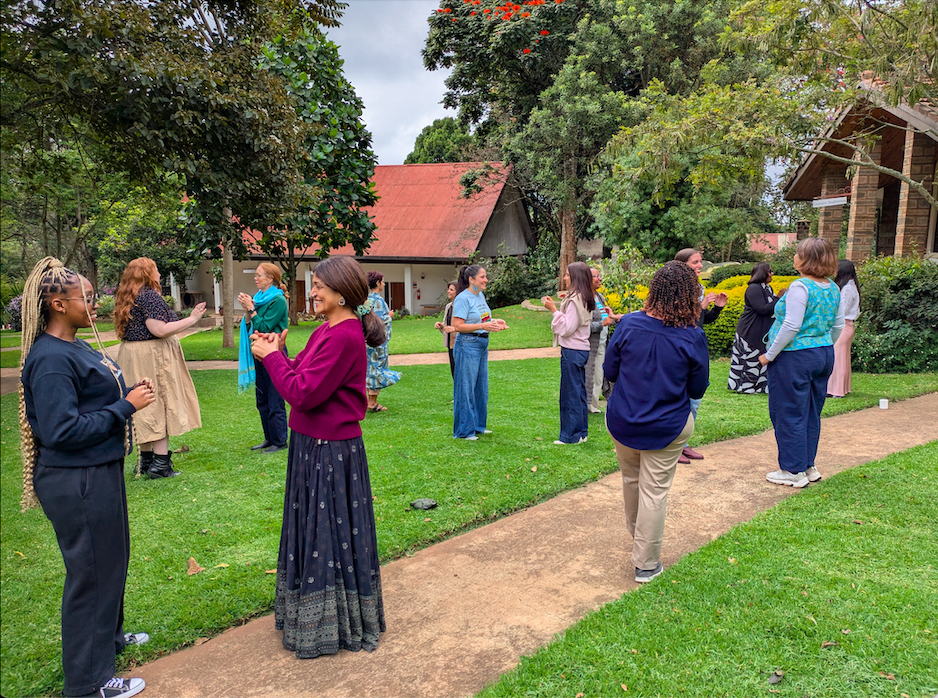
Every merger comes with a strategy deck, a budget, and an integration plan; all built around people, but too often not built for them.
Our work supporting Girl Rising through its merger with She’s the First, alongside our own experience merging Global Good Consulting and the Amani Institute, led us to a simple yet critical insight:
A merger doesn’t only succeed because systems integrate. It succeeds because people do.
The Part We Don’t Talk About Enough
On paper, mergers are rational. In practice, they are deeply human. Mergers surface questions that rarely make it into integration plans:
- Where do I fit into the new structure?
- Will my voice matter?
- What happens to the culture I helped build?
- Who are we becoming—and do I belong in that future?
These questions don’t just sit in the background, they shape how professionals show up in the workplace – with energy and shared values, or with hesitation and resistance.
That reality became particularly clear throughout the Girl Rising and She’s the First merger. Progress wasn’t only about strategy or capability. It came down to how people experienced the transition, whether they felt seen, heard, and valued. Girl Rising’s leadership recognized the importance of creating space for people to contribute, ask questions, and have their voices heard. Read more about their perspective here.
Trust is the Framework that Holds it All Together
What became clear, both in our client work and in our own merger, was that success rests on trust. The same way that we prioritize a strategic plan for the business, we need to develop and prioritize a plan to build trust so that the merger is effective. Trust is built intentionally over time through people-centered practices.
For us, that looked like simple but not easy practices:
- Make room for real conversations
Not just sharing updates, but creating space for honest dialogue where colleagues can voice concerns, name tensions, and feel heard. - Be clear about what’s changing—and what’s not
Clarity reduces anxiety. It also reinforces continuity. - Prioritize alignment
Clarity on roles is important, but it’s not enough. What matters more is shared purpose, expectations, values, and ways of working. - Support people as individuals
Change doesn’t only happen at the organizational level; it also happens at an individual level. Coaching, mentoring, and structured reflection help people process what is shifting, and work out where they fit in what comes next. It also signals that the organization is investing in them, as valued members of its future. And it tells them something concrete: the organization is still betting on their future, not just managing their transition.
Walking the Talk in Our Own Merger
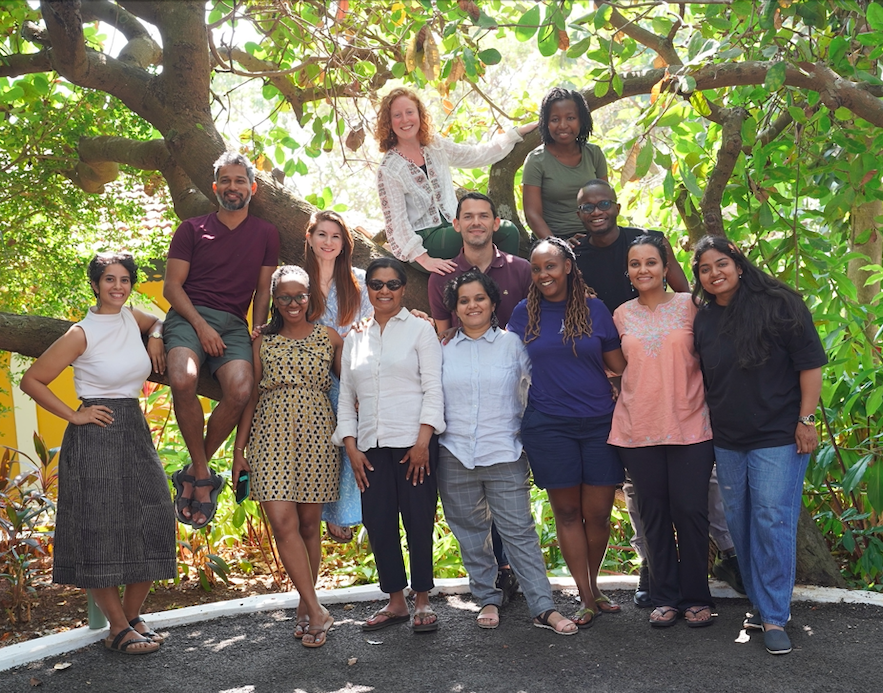
When we came together as Global Good x Amani, we had the tools (strategy, systems thinking, and organizational design). Yet what mattered most was how we showed up for each other.
We learned that:
- Alignment is not a one-time event, it’s an ongoing practice
- Culture cannot be merged through documents, it must be co-created
- Silence is rarely neutral, it often signals a topic that needs attention
- Slowing down to bring people along ultimately allows the merged entity to go further with a united front
Some of the most critical moments in our merger looked like conversations, reflection spaces, and navigating tension with care.
What This Means for Organizations Navigating Change
Whether it’s a merger, a restructuring, or a period of growth, the pattern is the same:
Organizations that focus heavily on systems at the expense of people may move quickly, but struggle to sustain momentum long term. Organizations that invest in their people are able to build the trust that is needed to navigate change together.. Because:
- When colleagues feel included, they contribute.
- When colleagues feel heard, they engage.
- When colleagues feel valued, they commit.
A Question Worth Asking
Most organizations ask, “How do we integrate effectively?”
Equally if not more important questions to ask are:
How are our people experiencing this transition? and, What are we doing to enable our people to thrive during and after the merger?
Because in the end, the success of any merger isn’t defined by how well systems align. It’s defined by whether colleagues choose to move forward together.
If you have been part of a merger or major shift:
What’s one approach that helped people feel included and committed to the journey? And what do you wish had been handled differently?
